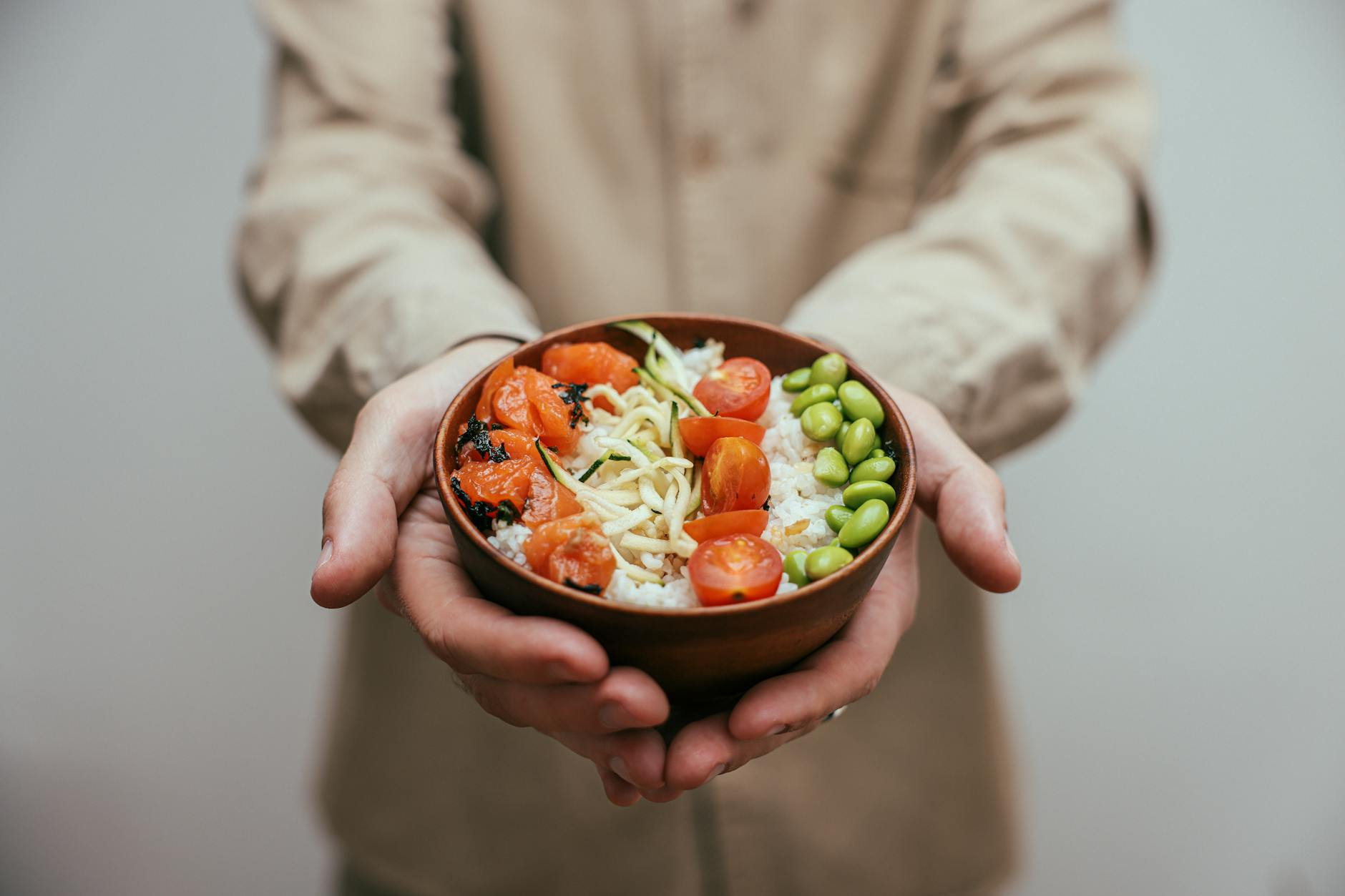
Starch is a staple in diets worldwide, but not all starches are created equal. Resistant starch stands out for its unique health benefits, which go largely unnoticed amidst the common carbohydrates on our plates. This is especially true if you are a low carbohydrates dieter like me. Trying to increase the fiber content of your meals, eliminating sugar and reducing starches to a minimum. You might be missing out on the health benefits of resistant starch, which can complement fiber and other prebiotic foods.
Let’s get into the details of these widely overlooked nutritional benefits in your rice bowl and see why they deserve a spot in your meal planning.
What Is Resistant Starch?
Resistant starch is a carbohydrate with a unique difference: it resists digestion. This means it travels through your small intestine and reach the colon intact, much like fiber. Its benefits are manifold, acting to improve digestive health by becoming a food source for the beneficial bacteria in your gut. But here is the mega twist of this story, unlike fiber which is usually not a very palatable food that you look forward to in your meal. It has a similar texture to the most palatable staple foods that tantalize people’s taste buds like rice, pasta, and mashed potatoes

How Does it Resist Digestion?
There are two main ways how resistant starch escapes digestion:
Physical Barrier: Some resistant starches come encapsulated within the fibrous cell walls of certain foods, making them inaccessible or illusive to digestive enzymes. Good examples of those foods are grains, seeds, and legumes.
Chemical Structure: Another type of resistant starch has a unique molecular structure characterized by high amylose content, that enzymes have difficulty breaking down. Green bananas and raw resistant starch potato are examples of this type
Types and Sources of Resistant Starch
Scientists categorize resistant starch into five types (RS1 to RS5) based on their structure and how they resist digestion. Here’s a glimpse into the most common ones:
RS1: This type is physically trapped within the fibrous cell walls of whole grains like oats and barley, seeds like chia, and legumes like beans and lentils. You are probably more familiar with foods rich in RS1, as this is highly recommended by nutrition and diet experts rightfully as healthy food. This is also the reason why whole grains are better for you than refined grains, as they preserve the cell structures that shield starch from digestive enzymes.
RS2: Found in green bananas, raw resistant starch potato, and high-amylose corn starch, this type resists digestion due to its high amylose content and molecular structure. However, cooking can break down this resistance, and this could be a deal breaker, as consuming those foods raw is not everyone’s cup of tea.

RS3: This type is formed when cooked and cooled starches like potatoes, rice, and pasta undergo a cooling process. Even though only a small portion of the starch in those foods (less than 10%) transforms into the resistant form, RS3, in my view is the most interesting type. As a low-carb dieter, I can partially transform staple foods that I love and adore into something I can consume daily, in reasonable proportion, while supporting better my metabolic and digestive health.
Alas, enough of the technical jargon and boring chemistry stuff, and let me tell you more about what nutrition science has proven as health benefits. While resistant starch has gained traction for its potential health benefits, but the research landscape is still evolving. Here’s a breakdown of what experts say and the current evidence level:
Potential Health Benefits
Nutrition experts generally acknowledge the potential of resistant starch for gut health. However, the evidence for other benefits like blood sugar control and weight management is promising but requires further investigation
Gut Health: It acts as a prebiotic, feeding good bacteria in your gut which can improve digestion, reduce constipation, and potentially boost overall gut health. There’s good evidence supporting resistant starch’s role in promoting beneficial gut bacteria.
Blood Sugar Control: Studies suggest that it may improve insulin sensitivity and lower blood sugar levels, potentially benefiting type 2 diabetes management. While small studies show positive results, more research will help to confirm the long-term effects and effectiveness in diabetes management.

Weight Management: Some research indicates that it may increase satiety (feeling full) and reduce appetite, which could aid weight management efforts. The evidence is suggestive, but more robust studies can help to determine the impact on weight loss or maintenance.
Colon Cancer Risk: While the evidence is far from being conclusive, some studies suggest its fermentation may have a protective effect against colon cancer. Most published studies are in animal models or in vitro, and more human studies can help to confirm these effects and determine optimal intake levels for cancer prevention.
Mechanisms of Action:
While more research can help to fully understand the health benefits to humans, there are several proposed mechanisms. Here’s an overview of the current understanding:
Butyrate production: Undigested starch is fermented by gut bacteria in the colon, producing short-chain fatty acids (SCFAs), particularly butyrate. Butyrate is the primary energy source for colon cells and has anti-inflammatory properties. It may inhibit the growth of cancer cells and promote the death of damaged cells (apoptosis).
Lowering colon pH: The increased SCFA production lowers the pH in the colon. A more acidic environment may inhibit the growth of harmful bacteria and the formation of secondary bile acids, which are potential carcinogens.
Improved gut barrier function: It may help maintain the integrity of the gut lining, reducing inflammation and the exposure of colon cells to potential pathogens and carcinogens.
Modulation of gut microbiota: It acts as a prebiotic, promoting the growth of beneficial bacteria. A healthier gut microbiome may contribute to reduced inflammation and improved immune function.

Improved insulin sensitivity: It may help improve insulin sensitivity, which is relevant because insulin resistance is a major contributor to metabolic disorders such as type 2 diabetes and obesity. It has been also linked to an increased risk of colon cancer.
Resistant starch should be viewed as part of a broader dietary and lifestyle approach to chronic disease prevention, which includes regular exercise, maintaining a healthy weight, limiting red and processed meat consumption, and ensuring adequate intake of various dietary fibers and other protective nutrients.
A Menu of Resistant Starch Options:
As mentioned earlier in the article the most interesting type and the focus of this article is RS3. This is the type that is created by heating (as part of cooking) and then cooling high carbohydrates foods, particularly starch before consumption. In this section, I will compare the resistant starch content of rice, pasta, and potatoes after cooking and cooling:
Potatoes: Potatoes are generally considered to have the highest amount after cooking and cooling. When cooked and cooled, potatoes can contain about 3-4% by weight. The content can increase to around 5-10% of total starch content.
Rice: Cooked and cooled rice also forms resistant starch, but typically less than potatoes. The content in cooled rice can reach about 1-2% by weight. Certain varieties of rice, particularly long-grain rice that have high-amylose content (25% – 30%), may form more content.
Pasta: Pasta generally forms less content than potatoes or rice when cooled. The content in cooled pasta is typically less than 1% by weight.

In general, potatoes tend to have the highest content after cooking and cooling, followed by rice, and then pasta. This is why cooled potatoes (like potato salad) are often highlighted in discussions about increasing dietary resistant starch.
Remember, while these differences exist, all three foods can contribute to resistant starch intake when prepared and consumed in this way. The best choice might depend on individual dietary preferences and needs.
Resistant Starch Supplement
For those looking for an even easier way to enhance their intake of resistant starch, supplements might be the answer. These supplements can be effortlessly mixed into foods, augmenting the fiber content without affecting taste or texture. They can be an excellent choice for people with busy lifestyles who still wish to prioritize their digestive health.
Suggestions for using supplements:
- Stir the supplement into your morning smoothie or oatmeal.
- Add it to your baking recipes for an invisible fiber upgrade.
- Consider a supplement if your diet lacks resistant starch-rich foods.
Although this is not the way I would like to boost my intake, supplements offer a viable and straightforward alternative for increasing your intake, ensuring you don’t miss out on its numerous health perks.

Side Effects of Resistant Starch
While resistant starch is beneficial for most, it’s worth noting that some individuals may experience side effects due to its fermentation in the gut. Gastrointestinal discomfort such as bloating or gas could occur as your gut adjusts to increased fermentation. Changes in bowel habits, including constipation or diarrhea, might happen if you consume high amounts too quickly.
For those with sensitive guts, including people with IBS, it’s wise to start slowly to minimize discomfort. Gradually increase your intake of resistant starch-rich foods to allow your gut bacteria to adapt. Pay attention to your body’s signals and adjust your consumption accordingly. Seek advice from a healthcare provider if you’re uncertain about how to include it in your diet, especially if you have a pre-existing digestive condition. Remember, while the benefits are plenty, pacing and personal adaptation are key to a positive experience.
FAQ&As
Q1: What exactly happens to resistant starch in our bodies?
A1: It passes through the small intestine undigested. Once it reaches the large intestine, gut bacteria can ferment it, and produce beneficial short-chain fatty acids like butyrate.
Q2: Is resistant starch the same as fiber?
A2: While similar, resistant starch and fiber are not the same. Both resist digestion in the small intestine and feed gut bacteria. However, resistant starch is a type of starch, while fiber is a non-starch polysaccharide. They work together to promote gut health.
Q3: Can resistant starch help me lose weight?
A3: It may aid weight management by increasing feelings of fullness and reducing overall calorie intake. It may also improve insulin sensitivity, which can support healthy weight maintenance. caution: scientific evidence on this is suggestive and not conclusive.
Q4: How much resistant starch should I eat per day?
A4: While there’s no official recommendation, studies suggest benefits from 15-30 grams daily. Start with smaller amounts and gradually increase to avoid digestive discomfort.

Q5: Will cooking destroy resistant starch?
A5: Cooking affects different types of resistant starch differently. Some are reduced when cooked, while others form when certain cooked foods are cooled. For example, cooking then cooling potatoes or rice increases their content. While cooking green bananas may break down the resistant starch that is naturally present.
Q6: Can I get enough resistant starch from a normal diet, or do I need supplements?
A6: Many people can get sufficient amounts from foods like beans, green bananas, and cooled potatoes or rice. Supplements are available but aren’t necessary for most people.
Q7: Are there any side effects of eating resistant starch?
A7: Some people may experience bloating or gas when first increasing thier intake. These effects usually subside as your body adjusts. Introduce resistant starch gradually to minimize discomfort.
Q8: Is resistant starch safe for people with diabetes?
A8: Resistant starch and diabetes go together well, as it may improve insulin sensitivity and help control blood sugar levels. However, individuals with diabetes should consult their healthcare provider before significantly increasing their intake.
Q9: Can cold pasta contain resistant starch?
A9: Yes, cooling cooked pasta can increase the content. This occurs through a process called retrogradation, where starch molecules realign into a more resistant structure. Reheating the pasta doesn’t fully reverse this effect.

Q10: Which food would have more resistant starch after cooking and cooling: rice, pasta, or potatoes?
A10: After cooking and cooling, potatoes generally have the highest content, followed by rice, then pasta. Cooled potatoes can contain about 3-4% by weight, while rice contains about 1-2%, and pasta typically less than 1%.
Q11: Can resistant starch help with colon cancer risk reduction?
A11: There’s evidence suggesting It may help reduce colon cancer risk. Proposed mechanisms include the production of beneficial butyrate, lowering colon pH, improving gut barrier function, and modulating the gut microbiome. However, more research, especially in humans, can help to confirm these effects.
Conclusion
Resistant starch may be inconspicuous, but its impact on health is unmistakable. By acting as a prebiotic, supporting the gut microbiome, and potentially contributing to a lower risk of several chronic diseases. It’s a nutritional component worth incorporating into your daily eating habits. Whether through mindfully prepared foods or convenient supplements, increasing your intake of resistant starch could be a simple, yet transformative dietary change. For your next meal, consider the humble rice bowl or potato salad. With a little tweak in preparation, these everyday dishes can become a powerful tool for better health.

One response to “Resistant Starch: The Hero in Your Rice Bowl!”
Great Read –
Stay Blessed – Mel
Keto Recipes – https://ketodietrecipes.co.uk/